Art Reminds Us: We Are Implicated in Each Other’s Lives
By Dorit Cypis
Dorit Cypis is an artist, educator, mediator, and community-builder. Born in Tel Aviv and based in Los Angeles, she’s a founding member of Mediators Beyond Borders International and founder of Kulture Klub Collaborative, a Minneapolis organization that brings artists and homeless youth together.
Viewing the crisis of individuals who are refugees fleeing intolerable oppressive conditions, do we have the capacity to hold and comprehend the incomprehensible? When we are ignorant of the labyrinthine past to present others have experienced, what do we assume we understand? How do we recognize the confluences of perception, memories, and feelings occupying us? How do we resolve the enormous gap of social circumstance between them and us? If we are dumb in making sense of aesthetic experience, our bodily sensorial recognition of life, how then do we respond thoughtfully, not react impulsively to media representation of their crisis?
We are all affected. The nonstop repetition of words and images chosen to depict a crisis is a familiar strategy of news and social media. It’s easy and efficient, gets the job done, winning viewers over with consumable, memorable moments and a satisfaction of being “in touch,” “in the know.” Meanwhile this familiar strategy robs the depicted person/s of their individual, unique, full-bodied circumstance, their context and their difference. They take on a symbolic representation of all those suffering the crisis through a particular lens not chosen by them.
On the other side of the lens, the viewer too is taken for granted, served up uncomplicated, digestible information, pointed towards a position already framed binarily with winners and losers, all with the same story. Viewers assume, reject, avoid, accommodate, judge, or attack with few details and little insight into the human differences that underlie lived experience and nuanced context. When we uncritically depend on mediated shortcuts we lose each other and the intimacy of experiential recognition of the one thing we have in common, our difference. We miss the aesthetic experience of bodily sensation recognizing who we are to our self and to one another. We miss an emotional process that adds dimensional nuance to what we see, hear, and feel. We miss a social process of bodies interacting in a particular nuanced place—the opportunity to reflect, rub against, move across, ask questions, listen, give, and take. We miss dialogue and criticality.
In the winter of 1996, on the occasion of a performance cabaret at the Southern Theater by young adults experiencing homelessness, I had an epiphany that altered my ability to comprehend the incomprehensible. The performing youth were like refugees, escaping intolerable oppressive home conditions perpetuated by systemic cultural inequities. They found their way to Project OffStreets, a county youth crisis center that, at the time, was located in a storefront across the street yet a world away from the Walker Art Center. One day in 1992, as I got off the bus to visit the Walker, my attention was diverted to enter the storefront. Immediately, I knew that I could not comprehend.
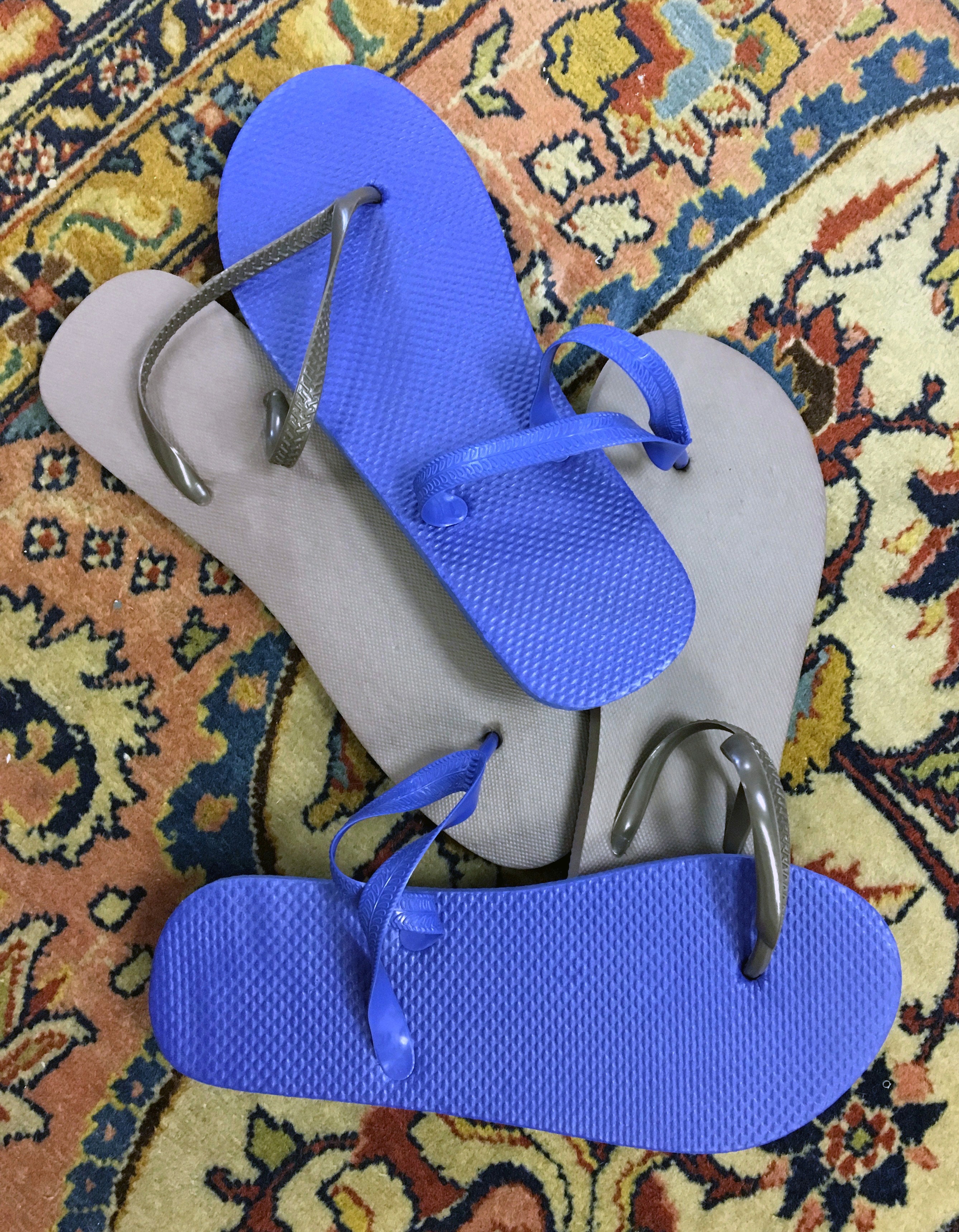
Dorit Cypis, Stand in My Shoes, 2017
I founded Kulture Klub Collaborative six months later after spending hundreds of hours at the center hanging out, listening, exchanging. This was my response to an ethical question of what an artist’s role might be in applying the aesthetics of questioning directly to social conditions. KKC’s vision was to bridge two human qualities that are so often kept as oppositional, survival and inspiration. Introducing youth who are experts at survival to artists who are experts at inspiration was a winning combination. At first neither could comprehend the other. While the youth had never before met adults who were not abusive, neglectful, overwhelmed, the artists had never before met youth who had so fallen through the cracks of American civil society. Over time these unlikely partners learned from each other. Youth were brought to professional arts venues across the Twin Cities to witness artists of all genres. Professional artists were brought to the youth to engage directly in their milieu. They experienced one another in each other’s context, recognizing and bridging their differences, unmaking their incomprehensible otherness to one another. KKC is 25 years old this year, and very much alive.
That night I was the emcee on stage at the Southern Theater, introducing the evening’s cabaret presentation. As I began to introduce KKC to the audience I fell into a cognitive black hole. For a moment I lost myself and where I was, although I recall maintaining an awareness of the audience’s presence and their waiting for me to reignite. A light of recognition finally lit above my head as I resurfaced from my unconscious. “I began to say that I initiated KKC to comprehend what I cannot, these youths’ circumstances and survival, but I just realized that my deeper compulsion was to comprehend what I have never been able to, the incomprehensible 20th-century European human destruction of life and dignity, including of my own family, and the dispersion of so many via refugee status.” A shifting mirror reflection revealed equity between the youth and me. In our differences we became the same, and in my recognition of respect for them, I found a deeper empathy.
Moving beyond the depictions of the news media demands a commitment of immersive engagement between people that allows for an intimacy not only between but also within. It’s not just for us to understand them. We are implicated in each other’s lives. Journalism alone cannot represent this.
Related articles
Indigenizing Fashion

Soundboard 7:
Indigenizing Fashion


Museum Resolutions

Soundboard 4:
Museum Resolutions
Art & Journalism
Soundboard 3:
Art & Journalism
Queering Design

Soundboard 2:
Queering Design
Museums & #MeToo