Seeing It in Person: Kim Benson on Wall Flower
By Walker Art Center
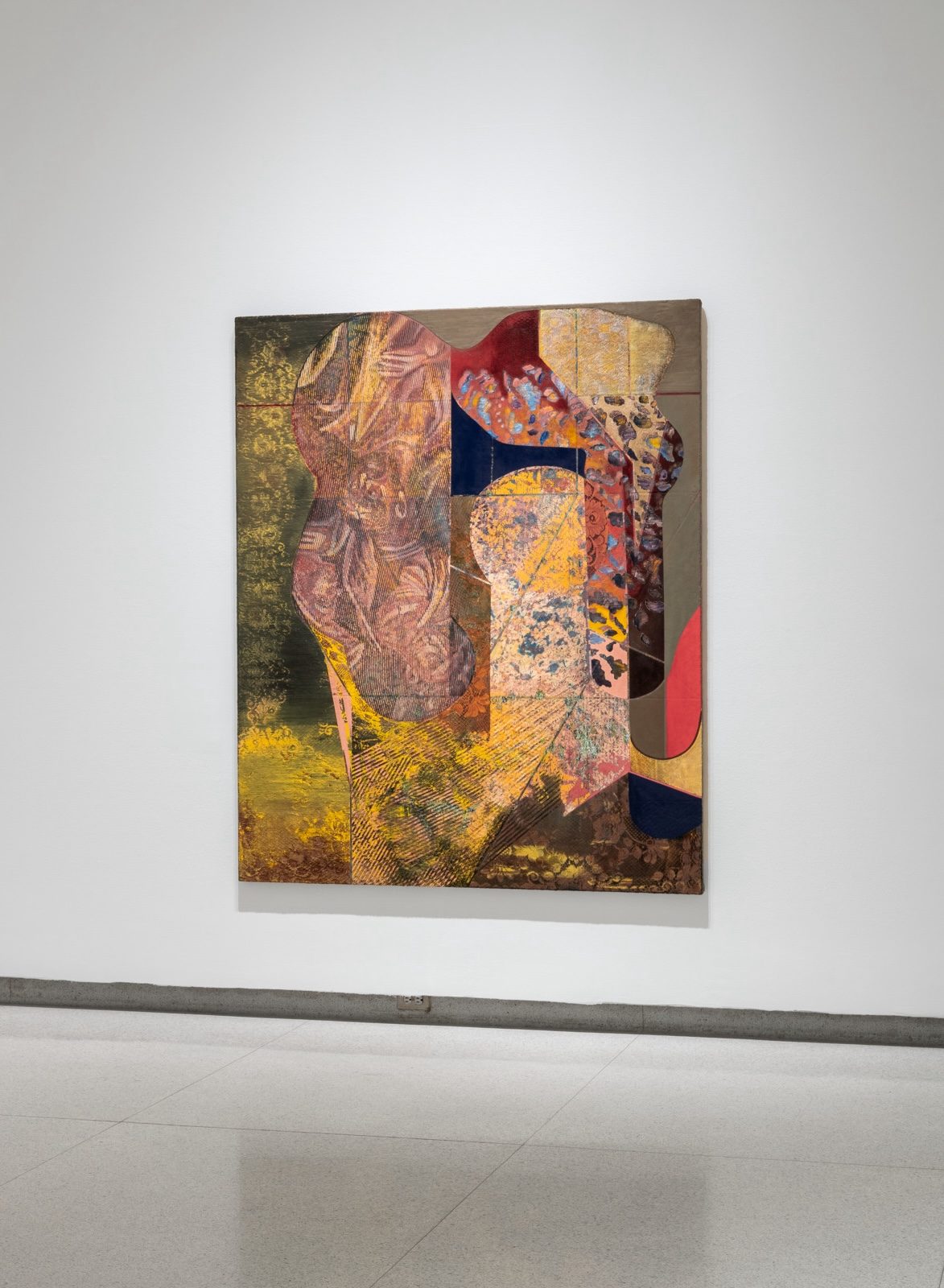
Minneapolis-based painter Kim Benson has developed an approach rooted in material processes and techniques that links the history of painting—ranging from Etruscan tomb paintings to 17th-century Dutch still-lifes and Renaissance masters—to today.
Sitting down, Benson discusses her work Wall Flower, the materiality of painting, and the medium’s unique ability to connect the past, present, and future.
Walker Art Center
Could you tell us a little bit about your painting practice?
Kim Benson
I am definitely a painter. My practice is rooted in thinking about painting as a complexity. I approach painting in a maximalist way, using additive and subtractive processes such as stenciling, sanding, and extruding oil paint. Through building the paintings, I am exploring the physicality of the paint more than necessarily painting an image, although image-making is definitely part of the process.
WAC
So process is important for you?
KB
Process is deeply important, and I would say I’m obsessive about the process. At the very least, repetition and variation through repetition is fundamental for my practice. It gives me a way to work through different ideas and visual forms. The layering leads toward new possibilities within the work. And I find that the paintings start to discover themselves in unusual ways through adding, subtracting, cultivating, and excavating the surface of the painting. Often, I don’t know where I’m going. It’s about problem-solving and discovering possibilities that I’m probably a little bit uncomfortable with, and figuring out how to put things together that seem incongruent.
WAC
Could you tell us a little bit about the process behind the making of the work Wall Flower, as well as the imagery that informed the painting?
KB
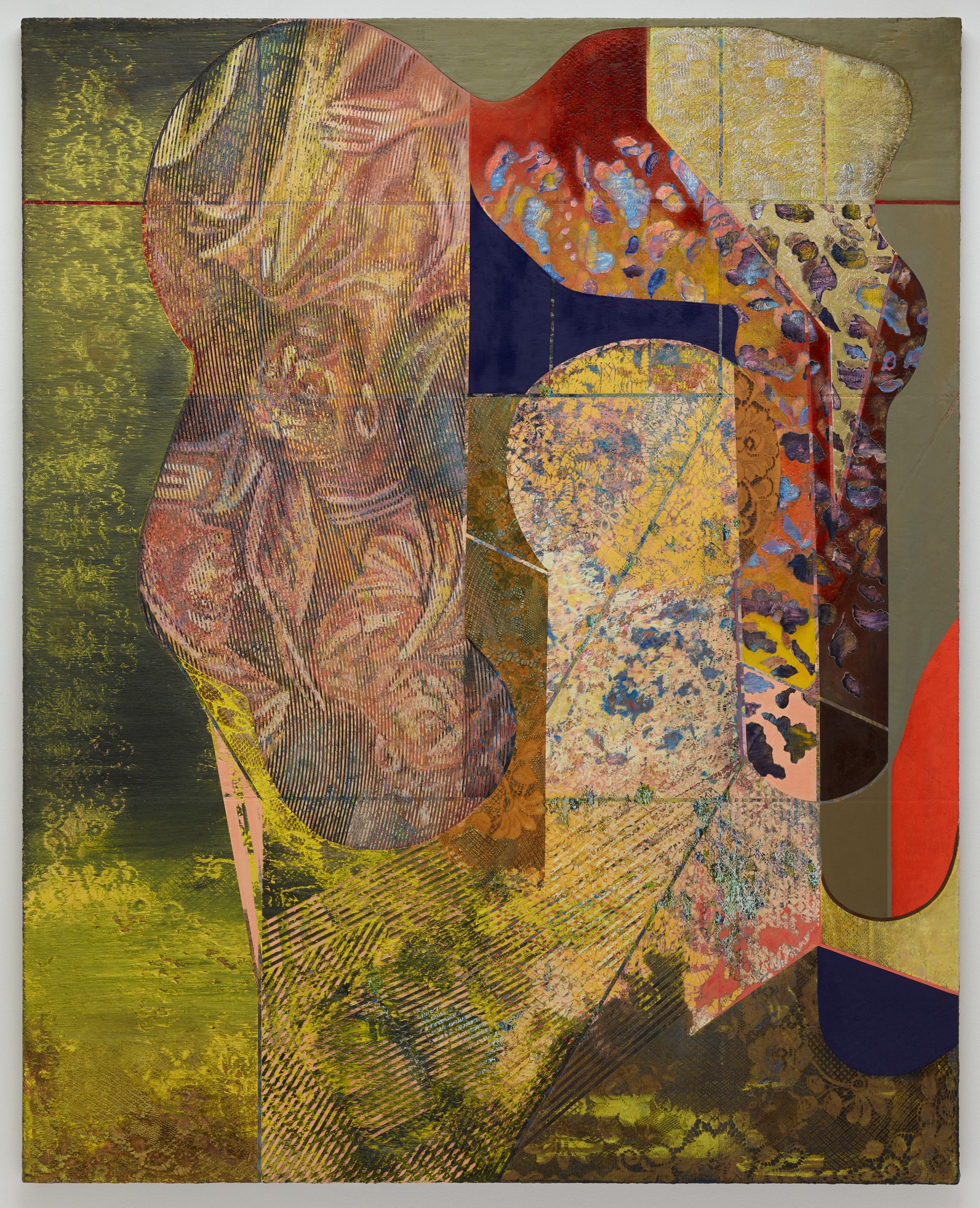
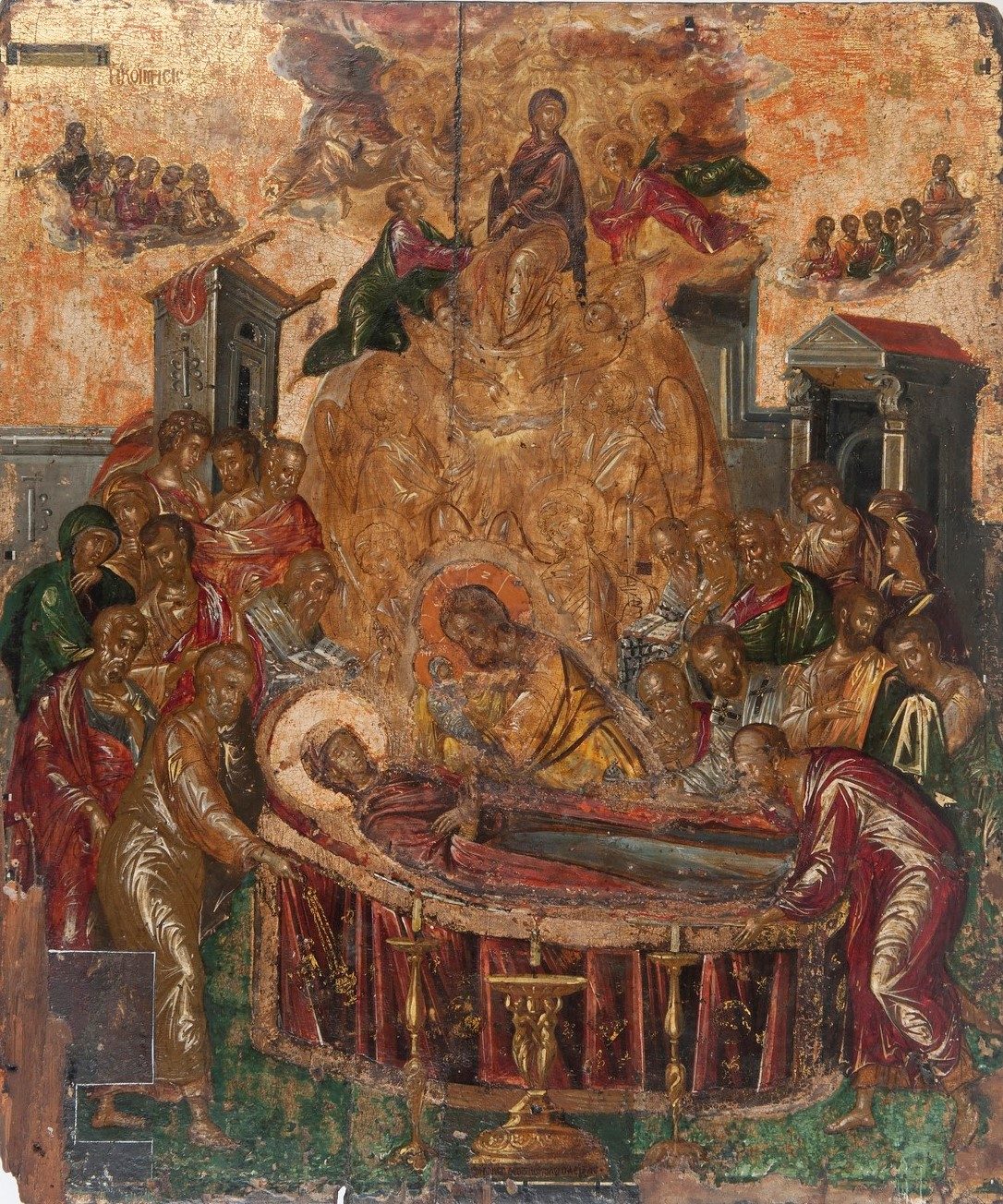
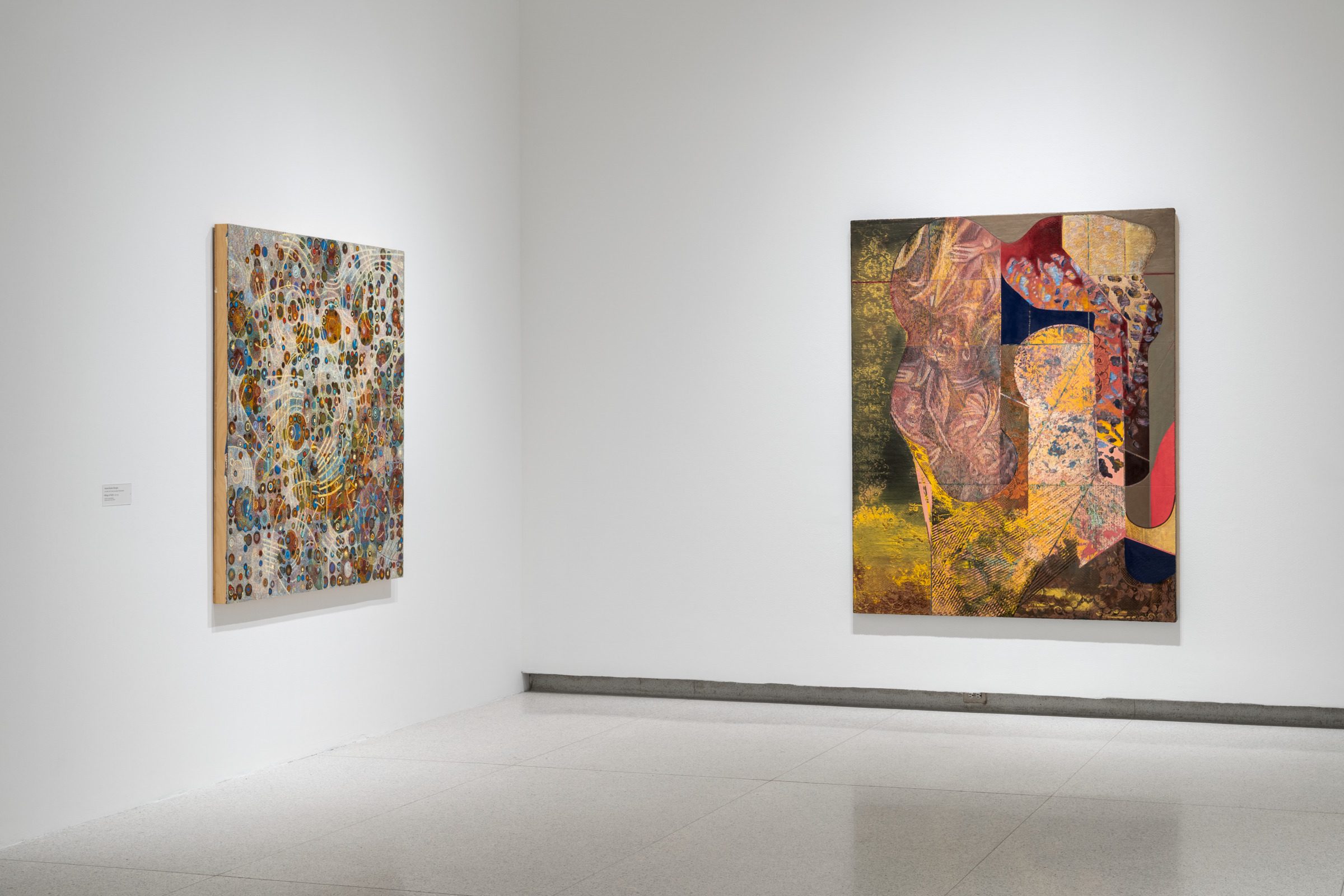
I’m really fond of Wall Flower. First off, it is a painting in relation to a series of paintings I made for a show in 2022 called Long Sweet Gone. Wall Flower developed over 18 months. I was looking at the Renaissance painter El Greco and his Dormition of the Virgin (1565–1566). That is a small painting. I have not seen it in person, only via an online publication. This mediated source became the structural base of the painting. I was also interested in lace fabric, and using lace as both a substrate as well as to form a figure within the painting.
This was interesting to me because of how historically different materials outside of paint have been used to create artworks, such as a fresco, concrete, or tile. With Wall Flower, I was trying to bring all these elements together to question historical imagery.
The painting was built over 18 months, with a lot of layering. Most of that time, I didn’t know where I was going with it, but then the painting comes together into a totality, like a gestalt. The work presents itself in mysterious ways.
WAC
If there is one thing you would want a viewer to come away with when they’re experiencing that painting, what would that be?
KB
I would love viewers to have an experiential quality with the paint and how it comes together to form the painting. I’m very much an earthy person and rooted in the physical world. Part of painting for me is about working with my hands, and I’d like the viewer to experience the work in ways that go beyond just seeing the image.
I love the idea that they could potentially read into the painting many things at different times. That when they see the painting days, months, or years from now, they would find other things within it. That all those discoveries or experiences would layer up for them, just like the layers in the painting itself. It creates a deeper history for the painting.
Regardless of finding any defining ideas within the painting, I would love for them to enjoy the experience of seeing a work of art in person.
WAC
How did you choose the title?
KB
Wall Flower came from ideas I had about the painting’s surface as a wall. The work is reminiscent of an architectural facade or a fresco painting, and the flower being a natural form that often interacts with those kinds of walls.
WAC
You are very dedicated to painting and describe yourself as a painter, as opposed to an artist. What is it about painting that inspires you?
KB
I was creative as a young kid, always working outside, playing, making things, and crafting nature. Painting came into my life in an unexpected way as a young adult, and then I had significant mentors that made it seem possible to continue it.
I just love the materialness of painting, as well as problem-solving aspect of it. With painting, the possibilities are endless. But I still find within it the ability to work through my own ideas and process my own existence. I love painting’s history, too. The discourse of painting is rich, and I enjoy being a link in that chain. I love that.▪︎
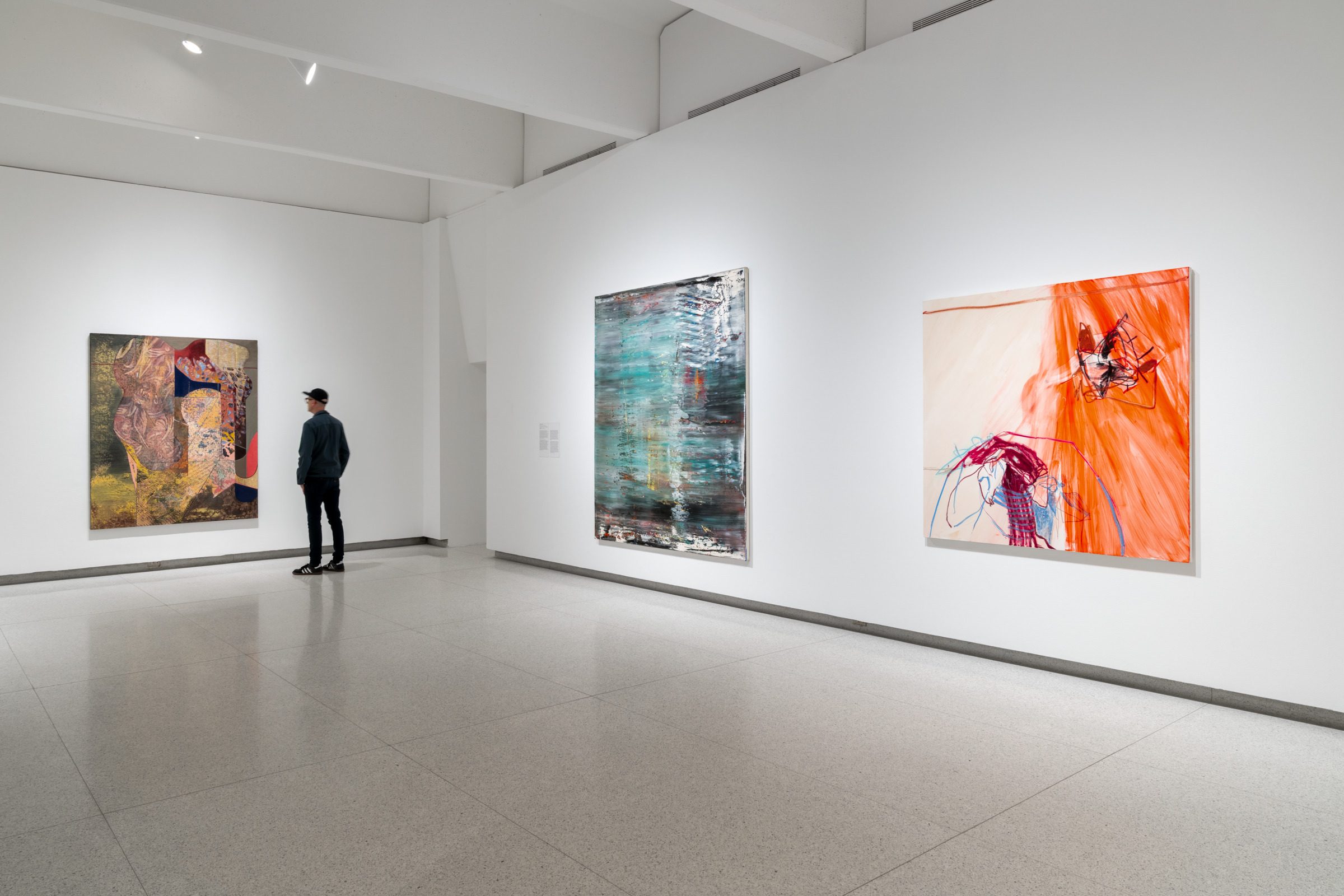
Experience Wall Flower for yourself in the exhibition This Must Be the Place: Inside the Walker’s Collection. Learn more here.
Related Events

This Must Be the Place: Inside the Walker’s Collection
Related Articles

Rose Salane’s Confessions Series


